Morgan Housel’s *Same as Ever* explores the timeless patterns of human behavior in economics, revealing how our responses to money, uncertainty, and change remain constant despite evolving times.
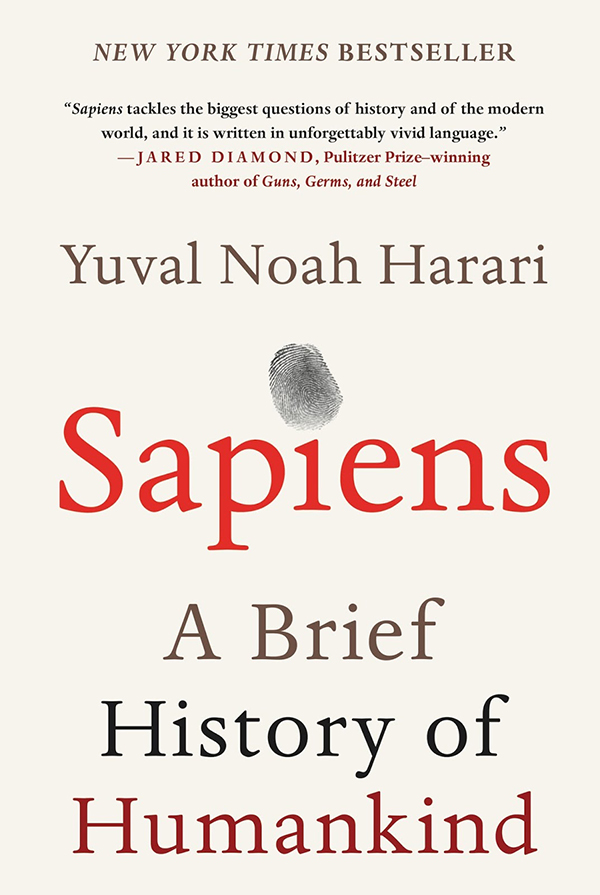
A sweeping exploration of human history, from the rise of Homo sapiens to the complex modern societies we live in today, with fresh insights on how culture, economics, and technology shape our world.
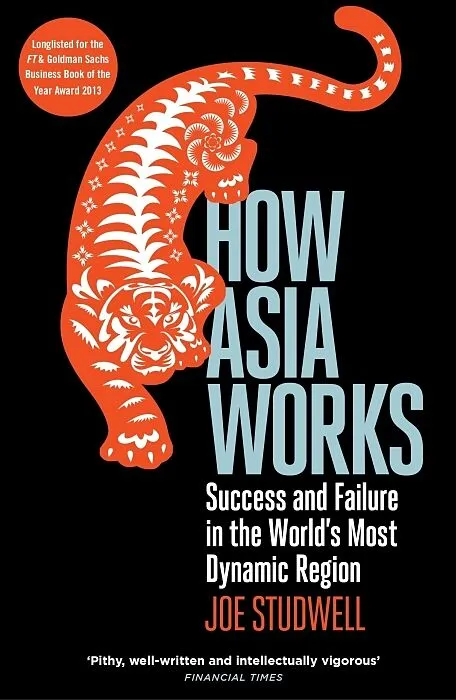
Joe Studwell explains why Japan, Korea, Taiwan and China leapt from poverty to industrial power while South-East Asian neighbours stalled, distilling decades of economic history into three simple but ruthless policies: land reform, export-led manufacturing, and disciplined finance.
Pulitzer Prize winning journalist David E. Hoffman traces how a handful of ambitious men seized control of Russia's newly privatized economy in the chaos of the 1990s, building enormous fortunes and reshaping the country in ways still felt today.
Nassim Nicholas Taleb dives deep into the idea of "skin in the game," exploring how having personal risk changes decision-making and power dynamics, with insights that challenge conventional thinking in economics, politics, and daily life.
World Economic Forum founder Klaus Schwab and economist Thierry Malleret examine how the COVID-19 pandemic exposed the fragility of the global system and lay out a sweeping agenda for rebuilding economies, technology, and society on more resilient and sustainable foundations.
Ray Dalio examines historical patterns of global power shifts and offers a framework for understanding why nations rise and fall, drawing connections between economics, politics, and social change.
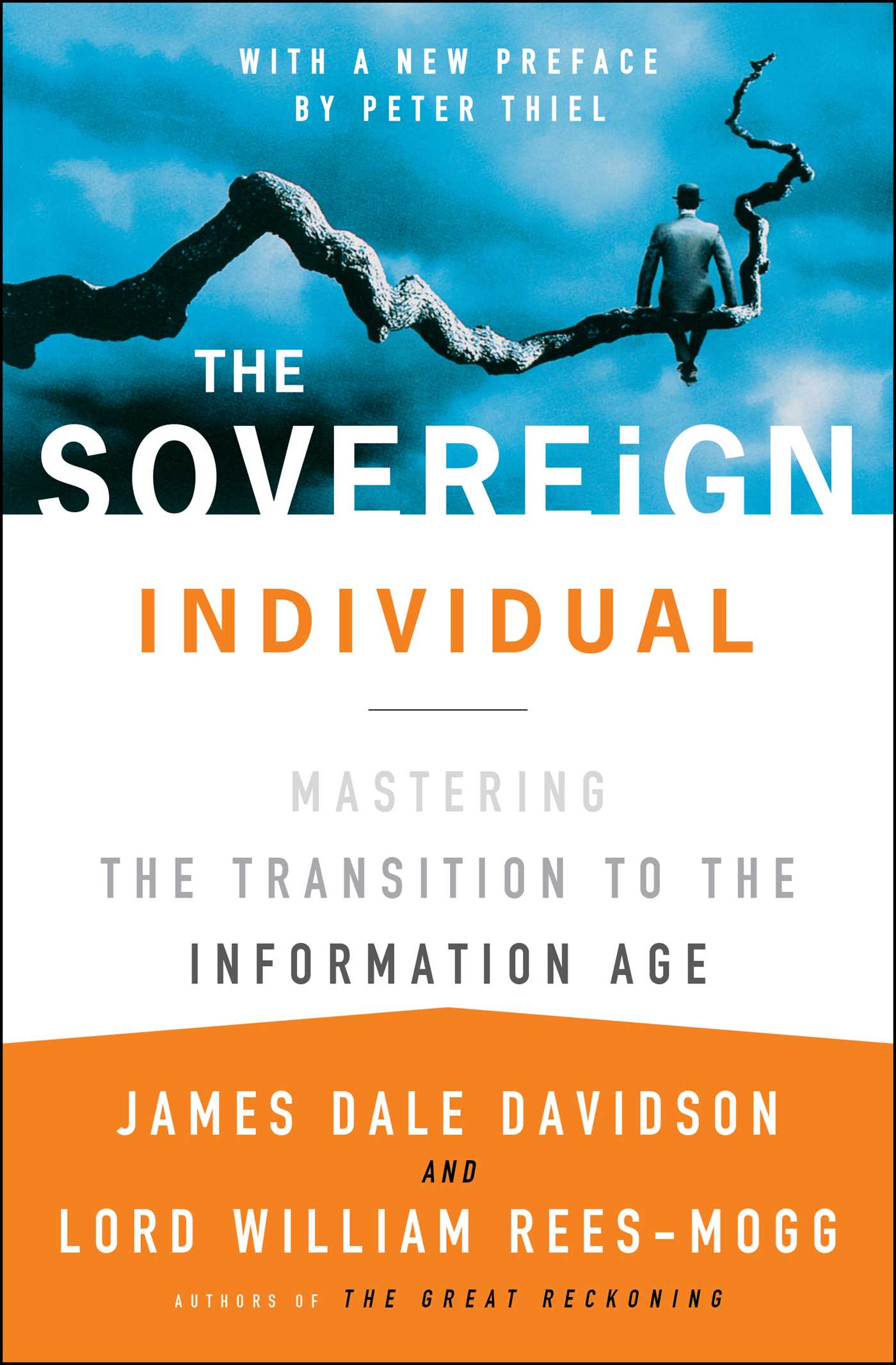
James Dale Davidson and William Rees-Mogg explore the far-reaching effects of the information age on society, predicting a future where individuals gain unprecedented power and the role of governments shifts dramatically.