
- Published on
The Great Reset
- Authors
- Name
- Chris Oguntolu
- @chrisoguntolu

The Great Reset by Klaus Schwab and Thierry Malleret
COVID-19: The Great Reset
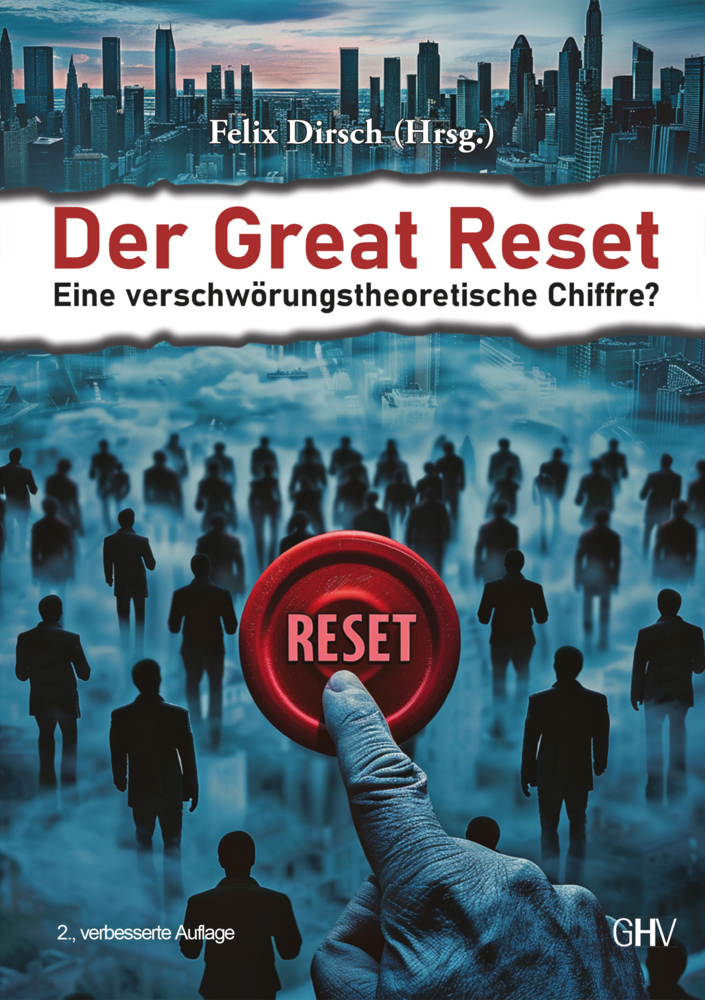
The Great Reset: COVID-19 caught my attention because it was written in the middle of an event that none of us had fully processed yet. Klaus Schwab and Thierry Malleret use the pandemic as a lens to examine just how interconnected and fragile our modern world has become. Rather than treating COVID-19 as an isolated health crisis, they frame it as an accelerator that exposes weaknesses already present in our economies, supply chains, social contracts, and political institutions.
What pulled me into the book was the sheer breadth of what the authors try to cover. They move from macroeconomics to mental health, from supply-chain reshoring to climate policy, from the future of cities to the future of work. Some of it I agreed with, some of it I pushed back against, but I kept turning pages because they are clearly trying to draw a coherent map of where the post-pandemic world might go. Their argument that the choice is not between returning to normal and accepting a new order, but rather actively shaping what comes next, made me think about how much of my own work happens against that backdrop.
What surprised me most was how technology runs through almost every chapter. The authors argue that the pandemic compressed years of digital transformation into months — remote work, telemedicine, online education, contact-free commerce — and that these shifts will not fully reverse. As someone working in cloud and platform engineering, that resonated. The infrastructure decisions companies made in panic during 2020 are now becoming the new defaults, and the long-term consequences for security, data sovereignty, and labor markets are only starting to surface.
I enjoyed reading The Great Reset as a snapshot of how influential institutions were trying to make sense of the moment in real time. It is at its best when it lays out concrete shifts in how we live, work, and govern, and at its most provocative when it argues for coordinated global responses to problems that cross every border. Overall it gave me a much sharper framework for thinking about the long aftershocks of the pandemic and the kinds of systemic questions we are going to be answering for years.